

Home healthcare has become one of the fastest-growing areas of healthcare worldwide. More individuals and families are choosing to receive professional medical and nursing care in the comfort of their own homes rather than spending prolonged periods in hospitals. Whether it's an elderly parent recovering from illness, a new mother needing postnatal support, a patient managing a chronic disease, or someone recovering after surgery, home healthcare provides personalized care while allowing patients to remain in familiar surroundings.
At The Abrand Consults, we believe that quality healthcare should extend beyond the hospital walls. Home healthcare is not simply about convenience — it is about improving health outcomes, maintaining dignity, promoting independence, and providing compassionate, patient-centered care where people feel safest: at home.
What Is Home Healthcare?
Home healthcare refers to professional healthcare services provided in a patient's home by qualified healthcare professionals such as registered nurses, nurse assistants, physiotherapists, caregivers, and other licensed practitioners. The goal is to provide medical and supportive care while minimizing unnecessary hospital admissions and promoting faster recovery.
Unlike informal caregiving provided by family members, professional home healthcare follows individualized care plans developed according to each patient's medical needs. Services may range from short-term post-operative care to long-term management of chronic illnesses.
Patients receiving home healthcare continue to receive evidence-based care while enjoying the comfort, privacy, and emotional support of their home environment.
Who Can Benefit From Home Healthcare?
Many people assume home healthcare is only for elderly individuals. In reality, patients of all ages may benefit from home-based care.
Home healthcare is particularly beneficial for:
- Older adults requiring assistance with daily living activities
- Patients recovering after surgery
- Stroke survivors requiring rehabilitation support
- Individuals living with diabetes or hypertension
- Cancer patients requiring symptom management
- Patients receiving palliative or end-of-life care
- New mothers recovering after childbirth
- Premature babies requiring close monitoring
- Individuals with disabilities
- Patients requiring wound care or intravenous medications
- Individuals recovering after fractures or orthopedic surgery
Every patient's needs are unique, which is why professional assessment is essential before initiating home healthcare services.
Benefits of Receiving Healthcare at Home
Personalized One-on-One Care
Unlike busy hospitals where nurses care for multiple patients simultaneously, home healthcare allows healthcare professionals to focus on one patient at a time. This individualized attention often results in better monitoring, earlier detection of complications, and improved patient satisfaction. Care plans are tailored to the patient's diagnosis, recovery goals, medications, mobility level, nutritional needs, and family circumstances.
Faster Recovery
Research consistently shows that many patients recover more comfortably at home. Familiar surroundings reduce anxiety, improve sleep quality, and encourage emotional well-being — all of which contribute to the healing process. Patients recovering from surgery often regain mobility faster when rehabilitation begins within their own home environment.
Reduced Risk of Hospital-Acquired Infections
Hospitals are essential for acute care, but prolonged hospitalization may expose patients to healthcare-associated infections. Receiving care at home significantly reduces unnecessary exposure while allowing patients to continue treatment safely under professional supervision.
Greater Comfort and Independence
Remaining at home allows patients to maintain familiar daily routines, interact with loved ones, and enjoy greater emotional stability. Many elderly individuals especially appreciate remaining in environments where they have lived for years rather than relocating to institutional care facilities.
Family Involvement
One of the greatest advantages of home healthcare is that family members become active participants in care. Professional nurses educate caregivers on medication administration, nutrition, pressure sore prevention, mobility assistance, fall prevention, and emergency warning signs. This education empowers families to confidently support their loved ones.
Common Home Healthcare Services
Professional home healthcare encompasses a wide range of services depending on each patient's condition.
Nursing Care
Registered nurses provide vital signs monitoring, medication administration, injection services, IV therapy, wound dressing, catheter care, stoma care, blood glucose monitoring, blood pressure monitoring, and comprehensive health assessments.
Post-Surgical Recovery
Patients recovering after surgery often require wound care, pain management, mobility assistance, infection monitoring, medication supervision, and recovery education. Receiving these services at home often reduces unnecessary hospital readmissions.
Elderly Care
As individuals age, they may require assistance with personal hygiene, medication reminders, mobility support, nutrition, fall prevention, cognitive stimulation, and companionship. Professional elderly care promotes independence while maintaining dignity and quality of life.
Chronic Disease Management
Patients living with conditions such as diabetes, hypertension, heart failure, kidney disease, and chronic respiratory illnesses benefit from regular monitoring, education, and medication compliance support. Proper home management significantly reduces emergency hospital visits.
Palliative Care
Patients with life-limiting illnesses deserve compassionate, holistic care focused on comfort rather than cure. Palliative home care emphasizes pain management, symptom control, emotional support, family counseling, and quality of life.
Choosing the Right Home Healthcare Provider
Selecting a home healthcare provider is one of the most important decisions families make. Before engaging any agency, consider the following:
Qualified Professionals. Ensure nurses and caregivers possess appropriate qualifications, licenses, and practical experience.
Personalized Care Plans. Avoid agencies offering generic care packages. Every patient deserves individualized assessment and care planning.
Background Checks. Professional agencies should conduct proper screening and verification of all healthcare personnel. Patient safety should always remain the highest priority.
Communication. Families should receive regular updates regarding patient progress, changes in condition, medication adjustments, and emergency concerns. Transparent communication builds trust and ensures continuity of care.
Availability. Healthcare needs can change unexpectedly. Choose providers that offer flexible scheduling and emergency support when needed.
Preparing Your Home for Home Healthcare
Small adjustments can make home care safer and more effective. Consider:
- Removing loose rugs to prevent falls
- Installing grab bars in bathrooms
- Ensuring adequate lighting
- Keeping medications organized
- Creating sufficient space for mobility aids
- Maintaining emergency contact information
These simple changes greatly reduce avoidable accidents.
The Future of Home Healthcare
Healthcare is gradually shifting from hospital-centered care toward community and home-based services. Advances such as telehealth, remote patient monitoring, digital health records, and wearable medical devices are making it easier for healthcare professionals to monitor patients from a distance while maintaining high-quality care.
As populations continue to age and chronic diseases become more common, home healthcare will remain one of the most important components of modern healthcare delivery.
How The Abrand Consults Can Support You
At The Abrand Consults, we provide compassionate, professional, and reliable home healthcare services tailored to each individual's unique needs. Our services include:
- Professional nursing care
- Elderly care and companionship
- Post-surgical recovery support
- Medication administration
- Chronic disease management
- Home health assessments
- Wellness monitoring
- Family caregiver education
Our goal is simple: to bring safe, compassionate, and high-quality healthcare directly to your home while helping patients maintain comfort, dignity, and independence. Whether your loved one requires short-term recovery support or long-term healthcare assistance, our experienced team is committed to providing exceptional care every step of the way.
Topics
Ready when you are
Have a question about this? Let's talk it through.
Book a private consultation with The Abrand Consults and we'll walk through your situation together — no obligation.
Related reads
All articles →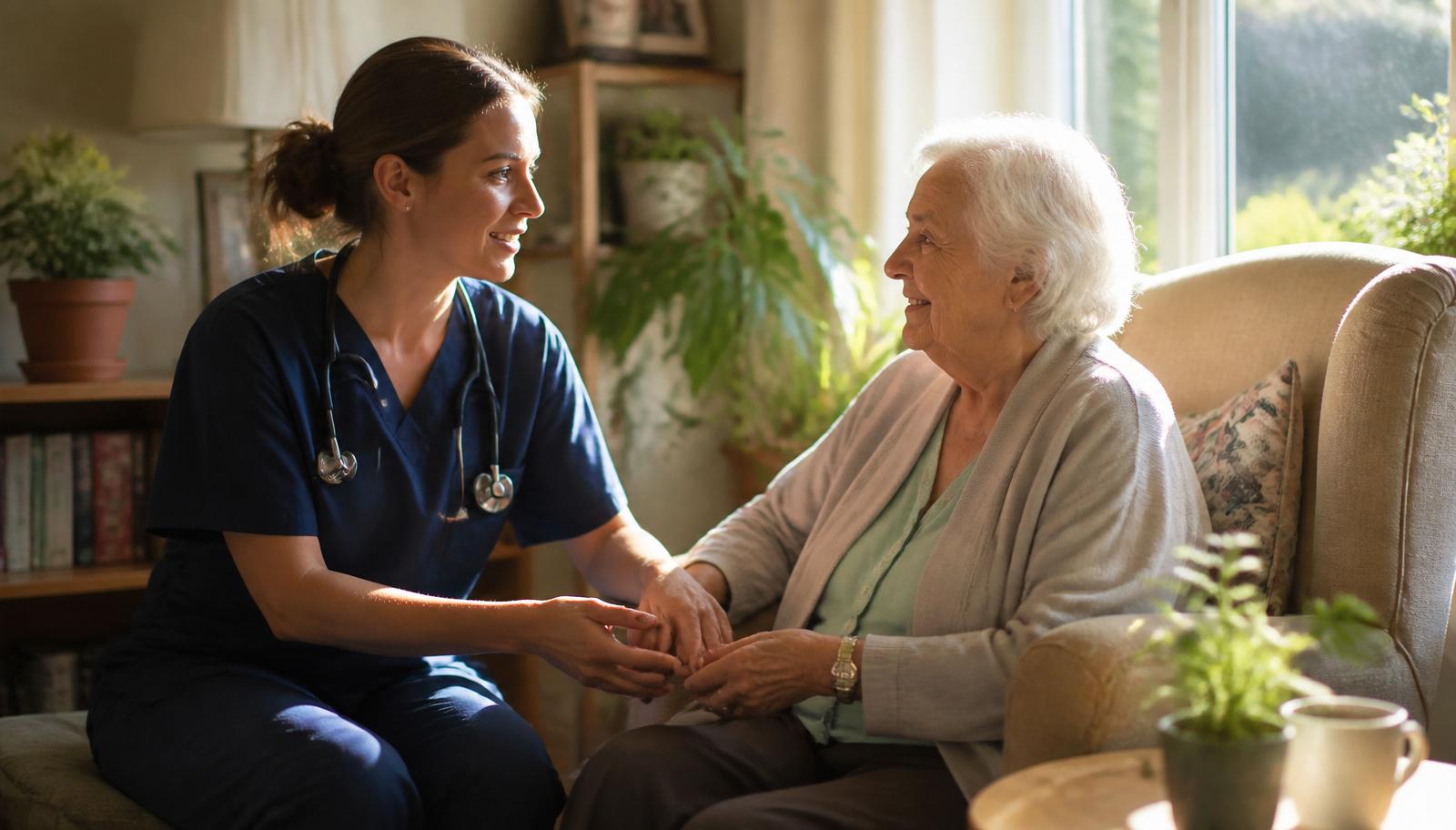
Home care
Getting Started with Home Care: What Families Should Know

Careers & immigration
The Complete Guide to Becoming a Registered Nurse in the United Kingdom: A Step-by-Step Overview for International Nurses
9 min read
Careers & immigration
The Complete Guide to Becoming a Registered Nurse in Australia: A Step-by-Step Overview for International Nurses
9 min read